A few miles west of Bartlett, New Hampshire, lies the ruins of the once lively mill village of Livermore. Here close to the main road we find a place which has captivated many in the region and beyond. The ruins of Livermore are slowly becoming once again part of the White Mountain forests from which they grew, however, it is not being forgotten. Livermore is a place of ghosts. Not supernatural specters, but instead ghosts of the people and culture which made this place home and which now leave small traces throughout this increasingly wooded environment.
The village is located about six miles west of Bartlett village off US 302 on Sawyer River Road. This dirt road is the original automobile road to the village and shares the corridor with the Sawyer River Hiking Trail, which follows the entire extent of the road through the village and continues south to the Kancamagus Highway. The road is closed in the winter and the trail is a popular destination for mountain biking, snowmobiling, hiking, and cross-country skiing, as well as for those looking to explore the abandoned village.1
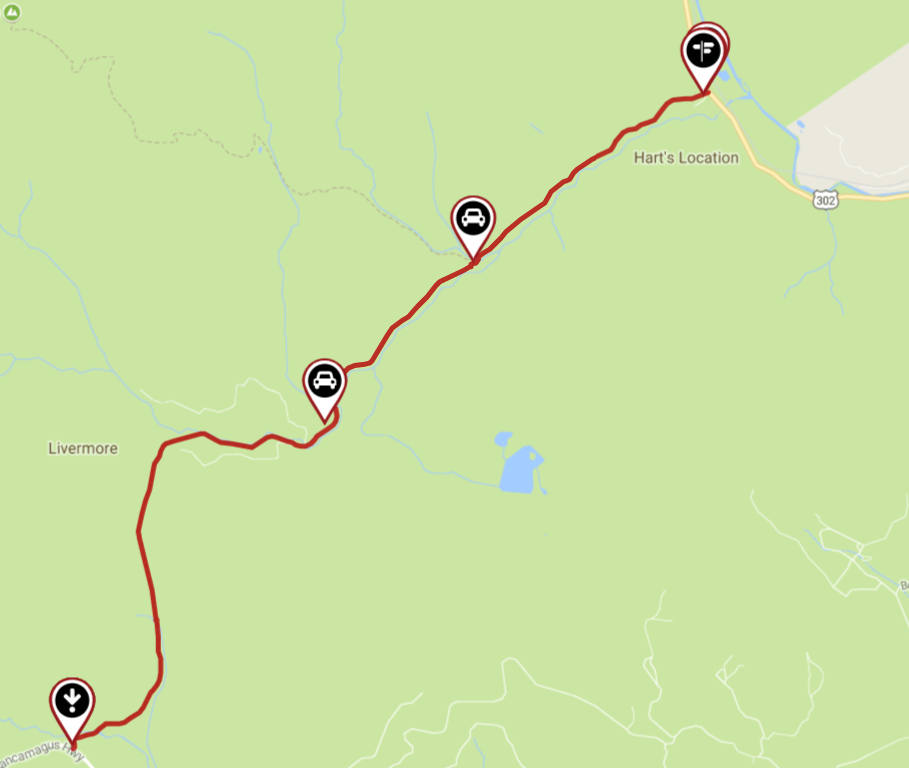
.jpg "Livermore Village Map. Source: Bill Grove")
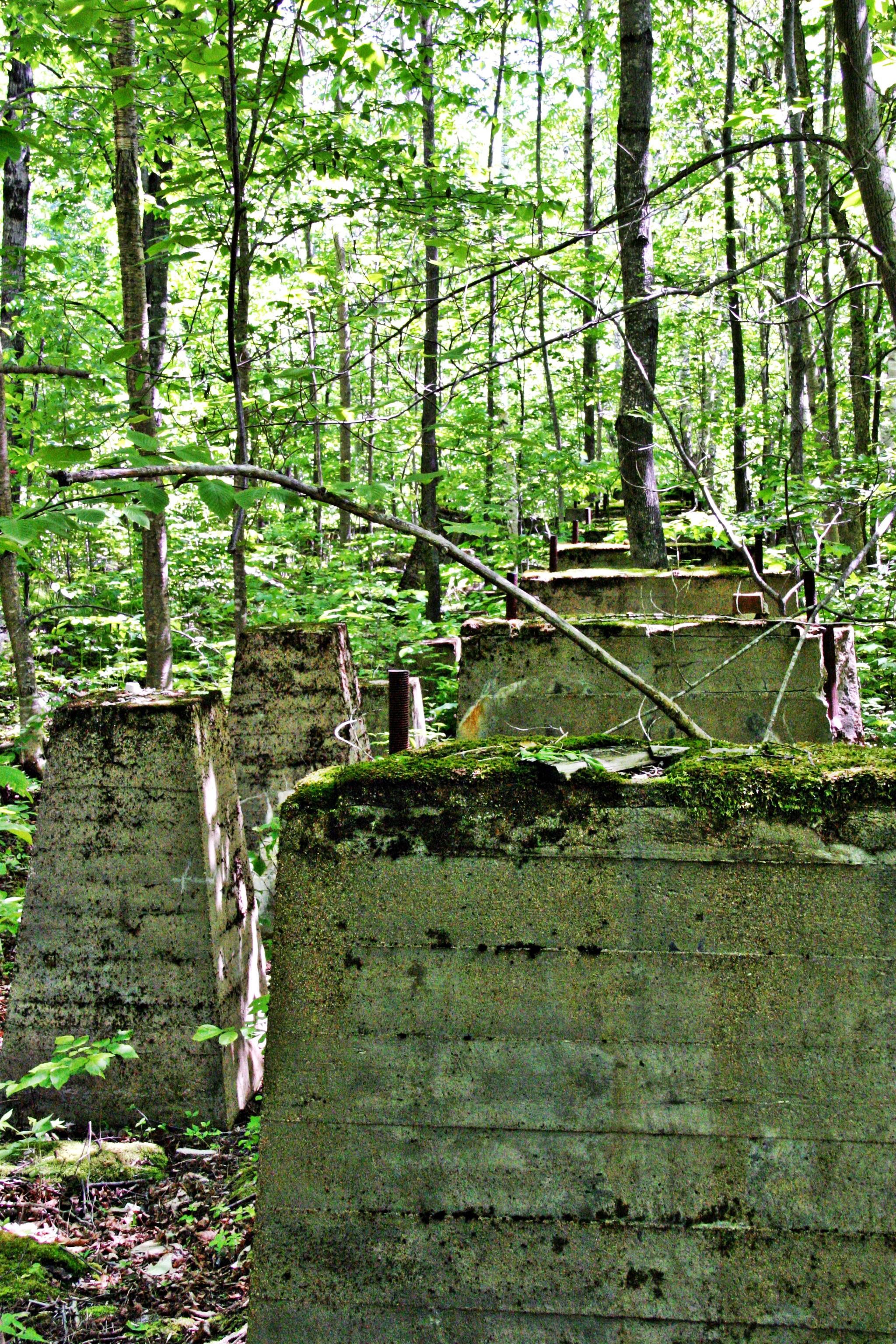
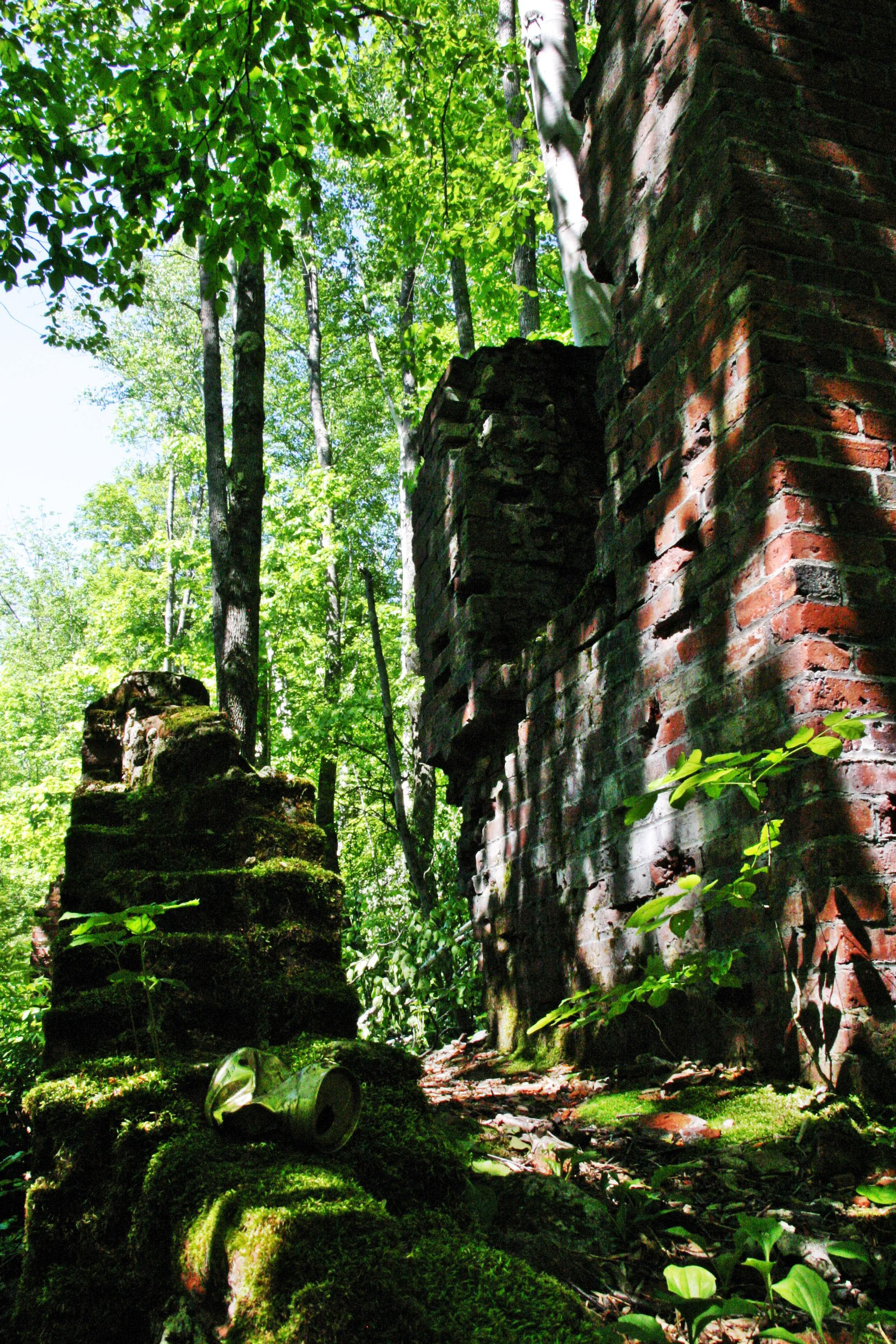
Livermore village parallels the Sawyer River with the road and railroad lines crossing through town. Hiking the Sawyer River Trail follows the original main road in town, where the remains of the school and powerhouse are visible on opposite sides of the road.1 Most of the company buildings in the village, such as the mill, powerhouse, store, and offices, are located within the area between the rail lines and the main road. The rail lines and road formed important distinctions within the small village. The majority of the housing was past where the railroad crossed the main road, including the Saunders Family Mansion and Railroad Row, where the majority of townspeople lived. The wooden homes which once stood in these areas have since disappeared entirely, as have most of the buildings in the town. Notable visible exceptions include the schoolhouse, powerhouse, store, and mill.
Despite the passage of time and regrowth of the forest, signs of habitation are still evident, even in places where the buildings have disappeared. Non-native flora, such as lilac bushes planted by residents dot the landscape2, continuing to thrive despite the loss of their caretakers. In many buildings and throughout the property white birch trees are growing, which are key indicators that the area was disturbed.3
.jpg "Sawyer River Railroad Map. Source: Gary E. Kleinedler")
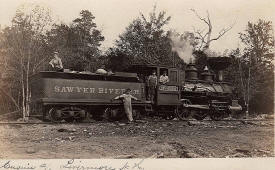
Livermore was a small company mill town for the Grafton County Lumber Co. founded by Daniel Saunders and his brother, Charles. Daniel was a Harvard educated attorney from Boston and a major player in the Essex Corporation and Shawmut textile mills.4 In 1864, the Saunders brothers obtained the rights to the Elkins Grant, incorporating the lumber company on July 7, 1874. This grant was willed to them by Daniel’s in-law, Nicholas G. Norcross the “New England Timber King”, after his death.5 The village of Livermore was founded in 1876 and named after Saunder’s wife, Mary Jane Livermore Saunders. The Saunders were deeply involved in Livermore and Daniel lived in the village until his death in 1917.6 The Sawyer River Railroad was created to work for the company in 1874. It was the second logging railroad founded in the White Mountains and when they discontinued operations in 1927 they were the second to last still in operation. The line was one of the smallest in the area at only 8 miles long and worked on an informal schedule, carrying mostly logs and an occasional passenger who did not pay a fare. Despite this, the railroad was the “biggest little railroad”(78)7, playing a vital role in life in the company and by extension the village. The two engines, “C.W. Sawyer” and “Peggy”, which worked on the line were well loved by the townspeople, appearing in postcards as well as being an important feature mentioned by past residents.8 These engines made such an impact on the people and industry of the area that the front number plate from the C.W. Sawyer was added to the National Railway and Locomotive Historical Society Archives after its decommission in 1927.9 The first mill was built in 1874 and most of the spruce and fir which it processed fueled the growth of the town of Lawrence, having a large effect on the greater New England.7
Unlike the other lumber barons in the White Mountains, the Saunders logged their grant in the sustainable selective cutting method.7 This meant that only trees of a specific type and above a certain size would be cut. This allowed younger trees to continue to grow, preserving more the forest ecosystem as well as providing trees for later cutting.10 Importantly this protected their land from forest fires, which would easily start due to excess slash on the ground from unnecessary cutting. In the entire time that the grant was under their control the Saunders never had a major forest fire. Their largest rival, J.E. Henrys, took part in clear cutting which created massive amounts of slash leading to incredibly destructive forest fires on his property in 1886, 1903, and 1907. This system also only allowed Henrys and other barons to cut their land once or perhaps twice. The sustainable cutting let the Saunders cut their entire grant three separate times and permitted a fourth sustainable cutting by the White Mountain National Forest in the late 1970s.7 Due to their respectful stewardship of the land, the Saunders have left a lasting impact on the forests of the White Mountains. Unlike other areas, the forests of the Elkins Grant have been well preserved, without the large railroad beds and skid ways used by the other barons as well as containing large virgin trees.10
The number of living past residents continues to decrease as time continues. The decline of the village started in 1917 with the death of Daniel Saunders, and in 1920 the mill burned down for a second time accelerating the downfall.7 The mill was out of commission for two years and during this time Charles Saunders passed away, placing the company in the hands of Clinton Nash and the three younger Saunders sisters, none of whom had experience in the lumber business. The lack of stability after the loss of Daniel along with the high price of replacing the mill hurt the business, however, the final nail in the coffin was a devastating flood in 1927. The heavy rain destroyed the new mill as well as many of the railroad bridges and most of the railroad bed making the track unusable. The mills never reopened after the flood and were officially closed in 1928.7 In 1930, the census shows that only 23 people still lived in the village2 and by the 1940s the only residents were Joe Platt and Bill MacDonald who worked as caretakers and are mentioned fondly by many past residents.11 Most of the land was sold by the Saunders sisters to the U.S. Forest Service, although the land where the mansion once stood is owned the Shackford family who have built a cabin on the spot. This cabin is the reason why in 2000 the census showed that two people lived in Livermore, due to a clerical error placing the cabin as their fulltime residence.12
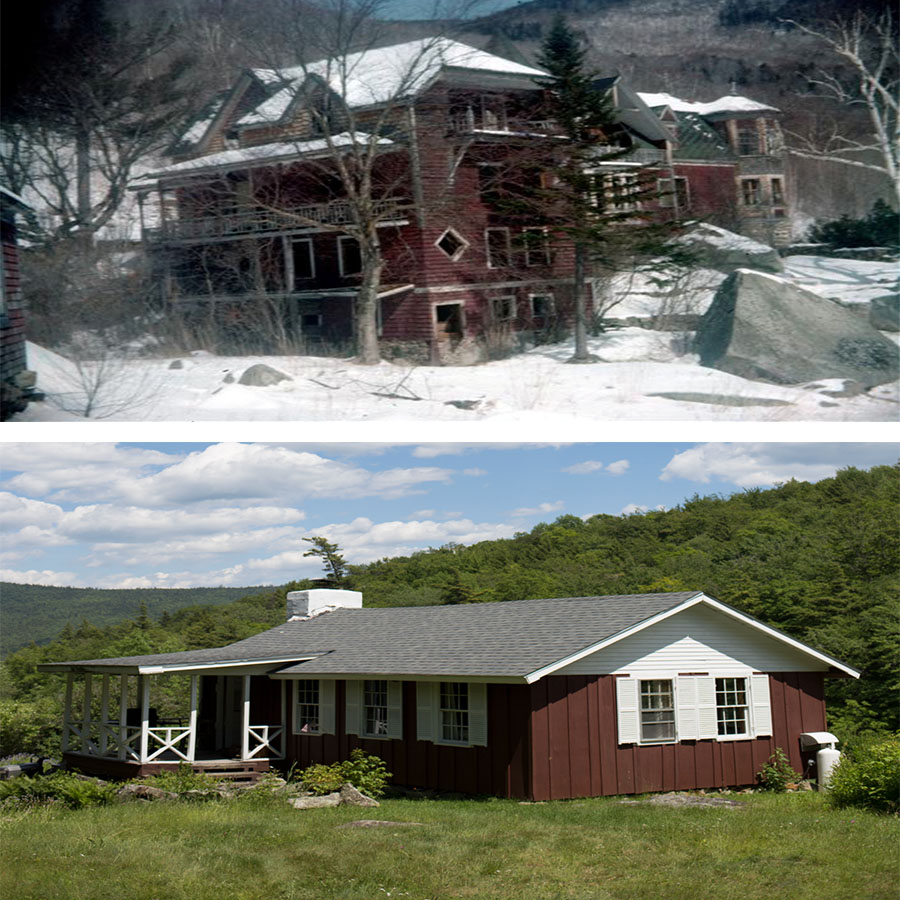
What truly makes the Livermore special is not the physical village or the surrounding woods, but rather the people who once inhabited it and those who continue to hold it in their hearts. This is why Livermore, not Zealand founded by J.E.Henry or another New England ghost town, has captivated the region and gained a large cult following, spawning hundreds of websites and large community interest. The past residents and their families continue to maintain a strong bond to the land and community of the village, keeping the stories and community alive.8 The people of these rural communities have a strong community connection to the community overall rather than a strong connection to their own specific property.13 This is illustrated in the interviews and letters from past residents as well as those studying the area.11 They mention key sites within the village, such as the school house or the Saunders’ Mansion, through the lens of the cultural events which took place there, like sledding or school activities, or the influential people who were tied to that place. People such as “Big Jim Donahue” who “seemed to do all things in the little community”2 were far more important than the physical buildings themselves. Some residents even claim that the death of Big “Jim” was when the village truly “died”.2 The importance of the small New England village community stems from the romantic ideals of the perfect small village community which were adopted by the people of the area.14
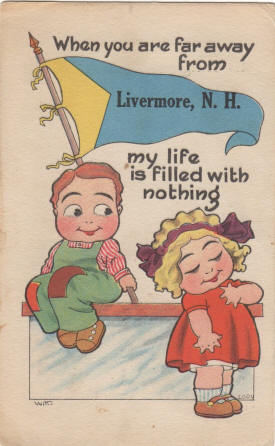
“Livermore seems to have generated more nostalgia among people who once lived there… than any other place I have ever known.”2 This is due not because the village was a paradise, but rather because it was a hardy tightknit community which was made stronger by surviving the harsh conditions together. Comradery is formed through working together to survive in tough circumstances and in the case of Livermore, being in such a remote area meant that medical care and home comforts were scarce. The Saunders also preferred townspeople to purchase goods from the company store which did not have a large supply of consumer comfort goods.2 Despite and possibly due to these drawbacks, the people who lived in the village felt a strong bond and looked back fondly at the time they spent there.
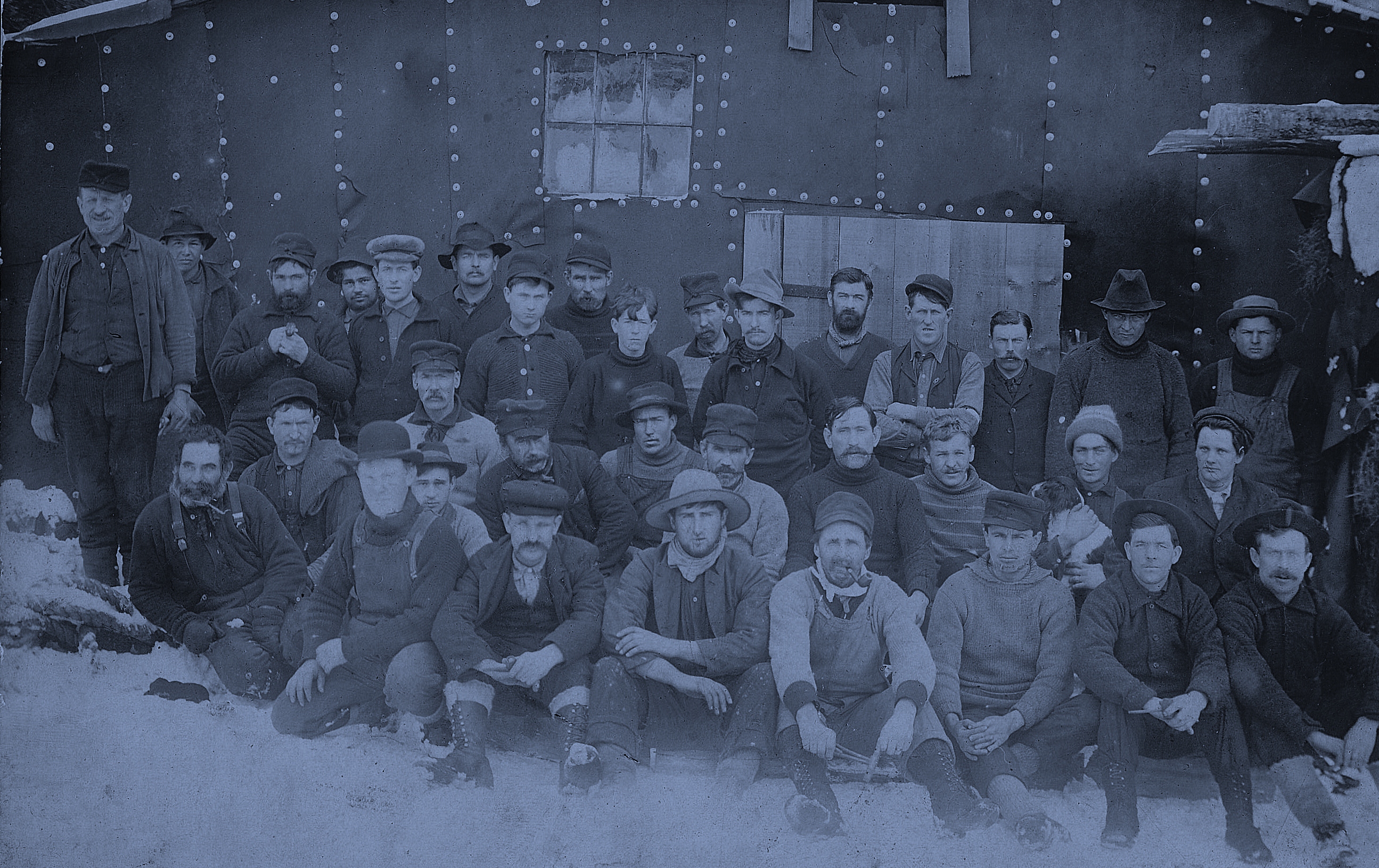
The people of the Livermore were perfect “Yankees” as they were highly independent and hardy, providing a strong example of the archetype. This may be a reason why Yankee Magazine has devoted several articles over the years to the people and village. As time has continued the true story of life in the village has been pushed aside in pursuit of the idealist version of this perfect Yankee village.15. The story of Livermore is the perfect microcosm for New England as a whole, as although the many townspeople did fall into the archetype of the perfect white Anglo-Saxon protestant (WASP) Yankee ideal, the number of undocumented workers would be at times double the population of the village. These men who took part in the mill work and the lumbering were often Roman Catholic Canadians and played a huge role in the survival of the village. These men were the lifeblood of the village; however, their lives remain in the dark as there are almost no surviving records pertaining to them. The undocumented workers were a separate group from the main village community and was extremely transient single men making a community integration difficult.16 The story of Livermore has been manipulated overtime to keep these undesirables out of the picture and portray this town as the example of the perfect Yankee community. New England similarly is often portrayed as a homogenous place of WASP Yankees, however, even going back into the 19th century that was becoming untrue.14 New England continues to be a complicated multicultural region which cannot be simply categorized as a homogenous environment. The non-WASP residents of Livermore and New England play as much of an important role in the area as those which are the focus of the idealized versions of the area.
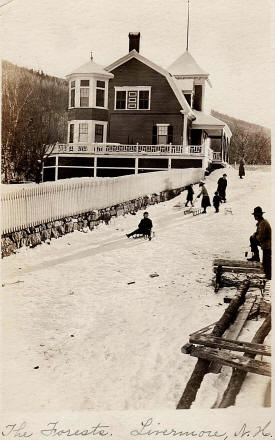
The story and culture of the village continues through the work of people such as Tom Monahan, whose father grew up in the village. Monahan recalls stories from his father’s childhood in the village as well as his own experiences as a child in visiting the remains of the village and spending time with the Shackford Family in their cabin. He shares these stories not only with local news outlets, but more importantly with his children and grandchildren.8 Although there were never many children in the village, only up to 28 at a time attended Livermore School17, children were an important part of the village and their activities were the most noted thing by past residents.8 Through their stories of riding the “Betty The Cow-Catcher”2, the final engine running in the village7, sledding by Saunders Mansion, and the kind people who lived there, the memory of the village will survive.
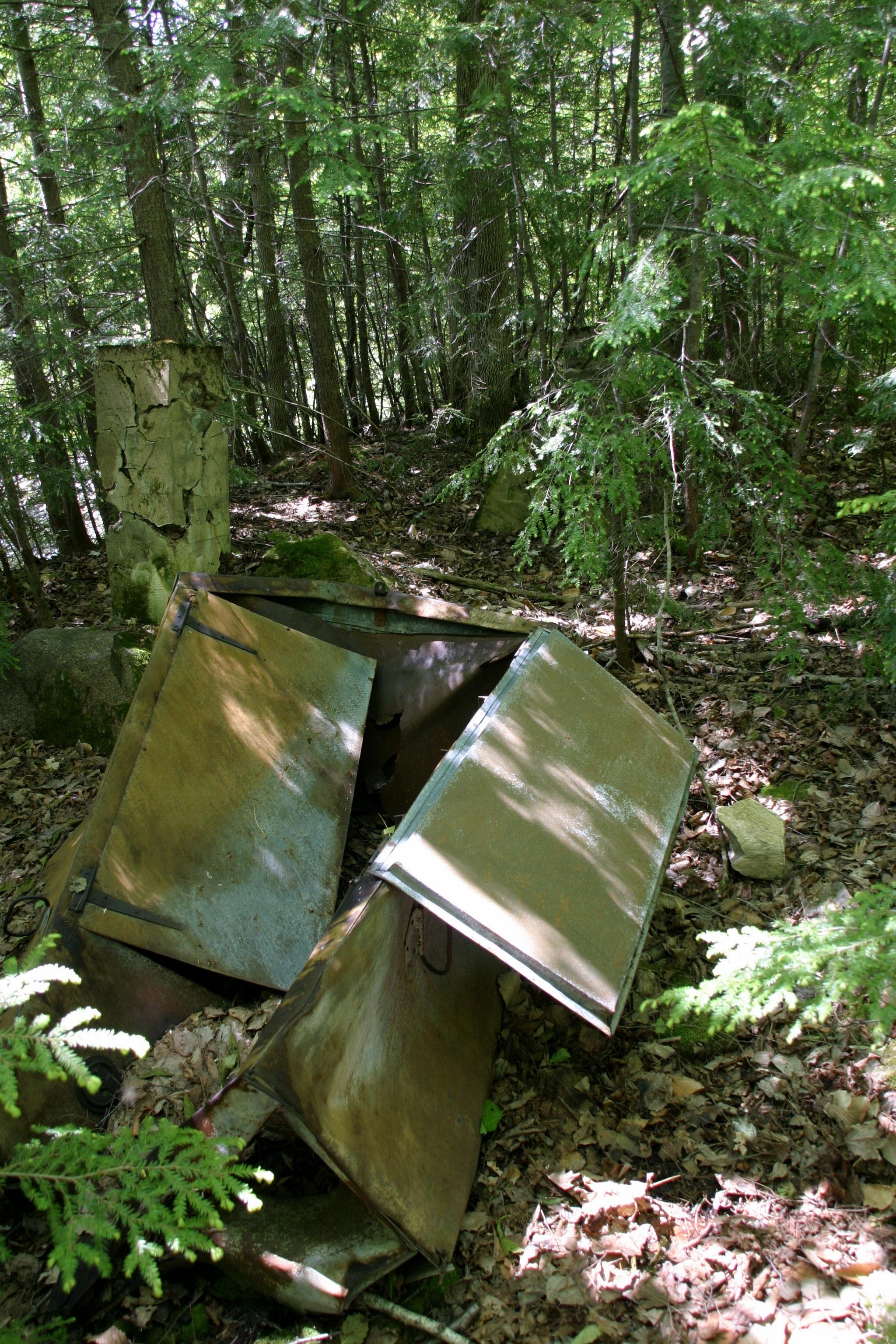
People are drawn to ruins like Livermore in a type of “anti-tourism”(99)18. These places do not have nice placards describing what happened here, historian interpretations of the importantance, or safe paths. Instead Livermore requires individuals to climb through trees and be surrounded by structures which could fall at any moment. This is not a place perfected by tourism commissions form a specific idea, you must work to understand its meaning. Livermore was deserted, yet it draws eager explorers and “social deviants”18 to a place which society renounced. Livermore and other ruins inspire the same fear and awe as the mountains which captivated the original romantic tourists to the area.14 These places remind us of our own mortality and that everything eventually comes to an end. Ruins frighten and intrigue us as they are an unknown, but also intimately familiar. They are the other side of the coin we do not often see. We not only see what happens to everyday places when humans are gone, but we see reflections of ourselves and our values. “Places are in a word, personed – even when there is no one there.”(813)19 We imagine what life was like in these places using the broken remains left behind, like the use a broken safe decaying within the foundation of a company store. Experiencing the ghosts of past lives gives insight into what may happen to our structures and lives after we are gone, as well as a harsh reminder of how brief our lives truly are.
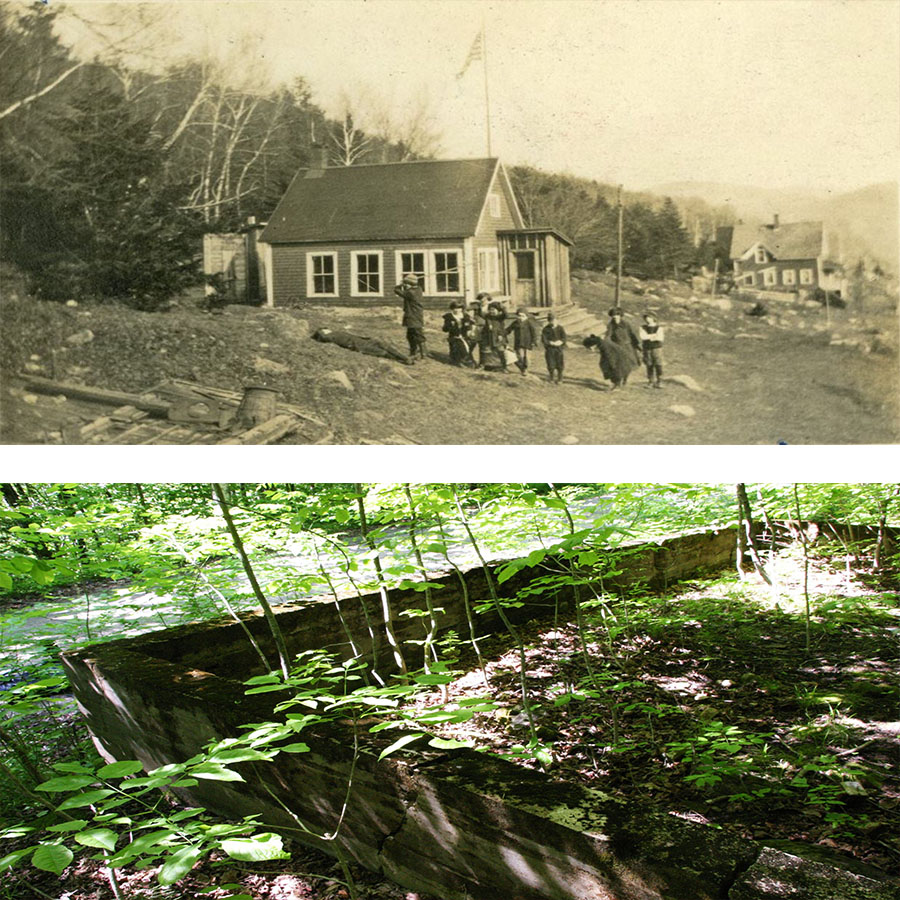
These are places of people, as much an evaluation of our own place in the grand scheme of things as the stories of the Monahan Family and the others who made this place their home. Fascination with the site from historical societies and local families focuses on the idealized image of the village and its perfect happy yankee people. Life in Livermore, like elsewhere, was not perfect, but this idealization makes the village more marketable and provides a sense of comforting nostalgia to aging residents. The creation of Livermore and areas like it as a yankee symbol and tourist attraction is not a new idea, but it takes away from the organic experience of exploring ruins which is an experience which requires one to look within themselves and find their own meaning. Exploring Livermore is “such an experience that arises in part from the social relations of memory and the memory of social relations.”(816)19 The idea of Livermore has been created and influenced by everyone who has encounter it, evolving overtime with the nostalgia of residents and fascination of future generations. It is through them that Livermore will never die.
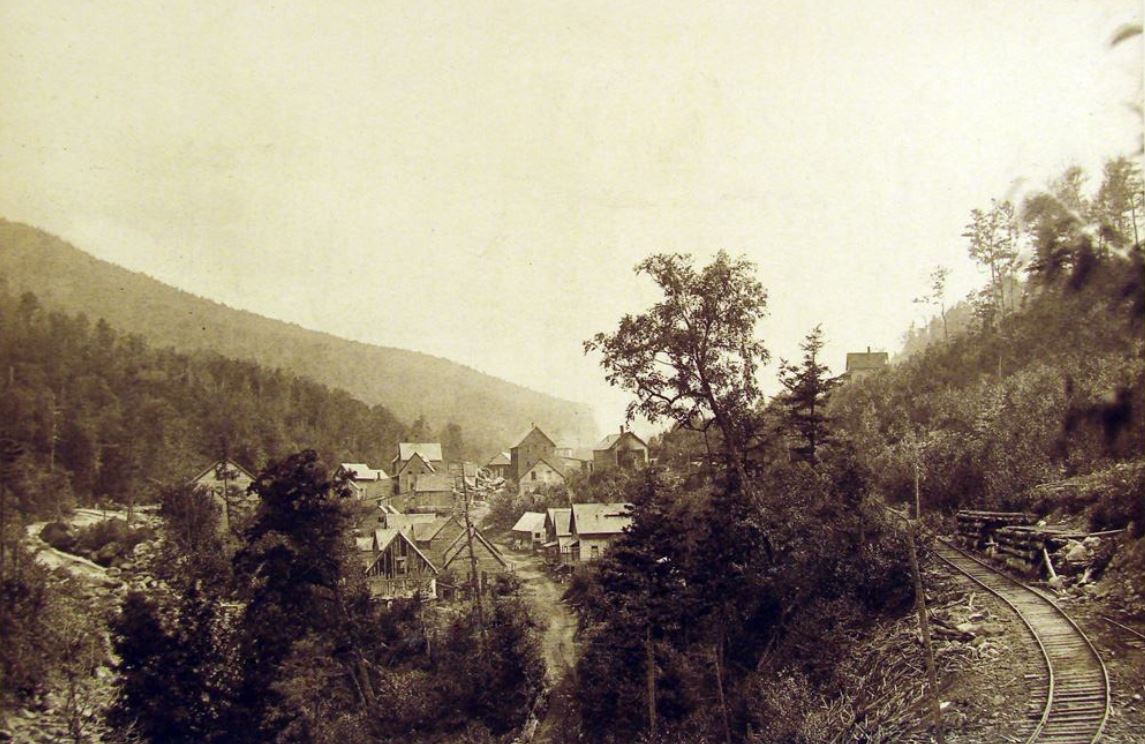
Cover Image: Livermore Mainstreet. Source: Bartlett Historical Society (BHS)
Caroline V. Atwood is a geography student at Dartmouth Collge.
TrailLink. “Sawyer River Trail.” TrailLink. https://www.traillink.com/trail-maps/sawyer-river-trail/. ↩ ↩
Morrow, James F., Jr. “Forever Livermore.” Yankee, November 1969. http://www.bartletthistory.org/bartletthistory/livermoreYankeePg1.html ↩ ↩ ↩ ↩ ↩ ↩ ↩
Wessels, Tom. Reading the forested landscape: a natural history of New England. Woodstock, VT: Countryman Press, 1999.pp 138 ↩
Biographical Review. XXVIII ed. Essex County. Boston: Biographical Review Publishing Company, 1898. ↩
Martin, William. The lost Constitution. New York: Forge, 2008. ↩
Hounsell, Janet. “Livermore… A town that disappeared into valley history.” The Reporter (North Conway, NH), December 7, 1977. ↩
Belcher, C. Francis. Logging railroads of the White Mountains. Boston, MA: Appalachian Mountain Club, 1980. ↩ ↩ ↩ ↩ ↩ ↩ ↩
Monahan, Tom. “Tom Monahan remembers Livermore.” Interview by WhiteMtNews. YouTube. September 29, 2010. https://www.youtube.com/watch?v=zWUyKQkpa-U ↩ ↩ ↩ ↩
Walker, Harold S. “Sawyer River Railroad.” The Railway and Locomotive Historical Society Bulletin, April 1938, 30-31. http://www.jstor.org/stable/43519827. ↩
“James Frederick Howarth Postcard Letter.” Letter. Bob Girouard to Bartlett Historical Society. http://www.bartletthistory.org/bartletthistory/Livermore_HowarthPostCards.html. ↩ ↩
McCarthy, Hannah. “You Asked, We Answered: What Happened To The People In That N.H. Ghost Town?” New Hampshire Public Radio. July 21, 2017. http://nhpr.org/post/you-asked-we-answered-what-happened-people-nh-ghost-town#stream/0. ↩
Morse, Cheryl E., Allan M. Strong, V. Ernesto Mendez, Sarah T. Lovell, Austin R. Troy, and William B. Morris. “Performing a New England landscape: Viewing, engaging, and belonging.” Journal of Rural Studies 36 (October 1, 2014): 226-36. ScienceDirect. ↩
Brown, Dona. “Uses of Scenery” Inventing New England: regional tourism in the nineteenth century. Washington, DC: Smithsonian Institution Press, 1998. ↩ ↩ ↩
Goldthwait, James Walter. “A Town That Has Gone Downhill.” Geographical Review, October 1927, 527-52. ↩
Russack, Rick. “Livermore.” AMC Outdoors, October 2008. ↩
Child, Hamilton. Gazetteer of Grafton County, NH, Volumes 1709-1886. Syracuse , NY: The Syracuse Journal Company, Printer and Binders, 1886. ↩
Edensor, Tim. Industrial ruins: spaces, aesthetics, and materiality. Oxford: Berg, 2005. ↩ ↩
Bell, Michael Mayerfeld. “The Ghosts of Place.” Theory and Society 26, no. 6 (December 1997): 813-836. JSTOR. ↩ ↩